
240-744-1600

 Stars
StarsWhen Are Punitive Damages Available in a Maryland Car Accident Case?
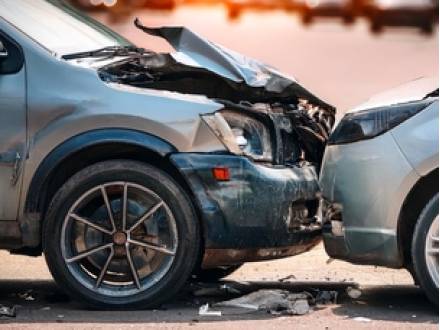 Punitive damages are difficult to obtain in Maryland car accident cases, even when injuries are severe. Unlike compensatory damages that cover medical bills and lost income, punitive damages serve a different purpose. As of December 2025, Maryland maintains one of the strictest legal standards in the country for awarding this type of compensation. Talk to our Anne Arundel County, MD car accident lawyer to find out what damages could be available in your case.
What Are Punitive Damages?
Punitive damages focus on the behavior of the person who caused the crash. They are meant to punish extreme wrongdoing and discourage others from doing the same thing. Maryland courts explained this standard clearly in Owens-Illinois, Inc. v. Zenobia.
Maryland sets a very high bar for punitive damages. Courts require proof of "actual malice." Actual malice means the person acted with the intent to cause harm or with an evil motive. It can also mean the person showed such a clear disregard for human life that the conduct is treated like intentional behavior. This standard is based on Maryland case law, not a specific statute.
Can You Get Punitive Damages if You Were Hit by a Drunk Driver in Maryland?
Criminal charges sometimes accompany serious car accidents. Maryland Transportation Code § 21-902 covers driving while impaired by alcohol or drugs. However, evidence of impairment by itself does not guarantee punitive damages. The evidence must show that the driver's actions demonstrated extreme disregard for the safety of others.
What Types of Driver Behavior Can Lead to Punitive Damages?
Punitive damages may apply only when a driver's conduct crosses into extreme territory. Common examples that may meet Maryland's malice standard include:
-
Using a vehicle as a weapon to scare, threaten, or intentionally harm someone
-
Street racing in crowded residential areas or busy intersections
-
Operating a vehicle with known dangerous defects and refusing to repair them despite the obvious risk
-
Fleeing from police at high speeds through populated areas
What Evidence Helps Support a Claim for Punitive Damages?
Building a strong claim for punitive damages requires clear and convincing evidence. This standard is higher than what courts need to prove regular negligence.
Police reports often provide critical details about reckless behavior or signs of impairment at the scene. Witness statements help explain what happened before, during, and after the crash from multiple perspectives. Video footage from traffic cameras, nearby businesses, or cell phones can capture the driver's conduct in real time.
When alcohol or drugs are involved, results from breath or blood tests become important pieces of evidence. Statements the driver made to police, witnesses, or others may also reveal intent or an extreme disregard for safety.
Your attorney will review accident reconstruction reports, medical records, and any criminal charges filed against the driver. The goal is to demonstrate that the at-fault driver's conduct went beyond carelessness to reach that level of actual malice.
Schedule a Free Consultation With an Annapolis, MD Car Accident Attorney
Attorney Andrew A. Serafini, Jr. has more than 12 years of experience. He is supportive with clients and aggressive with insurance companies and other defendants. You can count on him to pursue the maximum available compensation in your case, whether that includes punitive damages or not.
Call 240-744-1600 to schedule a free consultation with our Anne Arundel County, MD car accident lawyer. We answer calls 24/7 and use contingency fee billing, so you do not pay unless your case is successful.

Free Consultations240-744-1600


